AQUANEST • KILLIFISH
Give mop-spawning killifish a breeding site you can lift, inspect and reuse. AquaNest yarn mops bring dense strands and a choice of colors to a practical egg-collection routine.
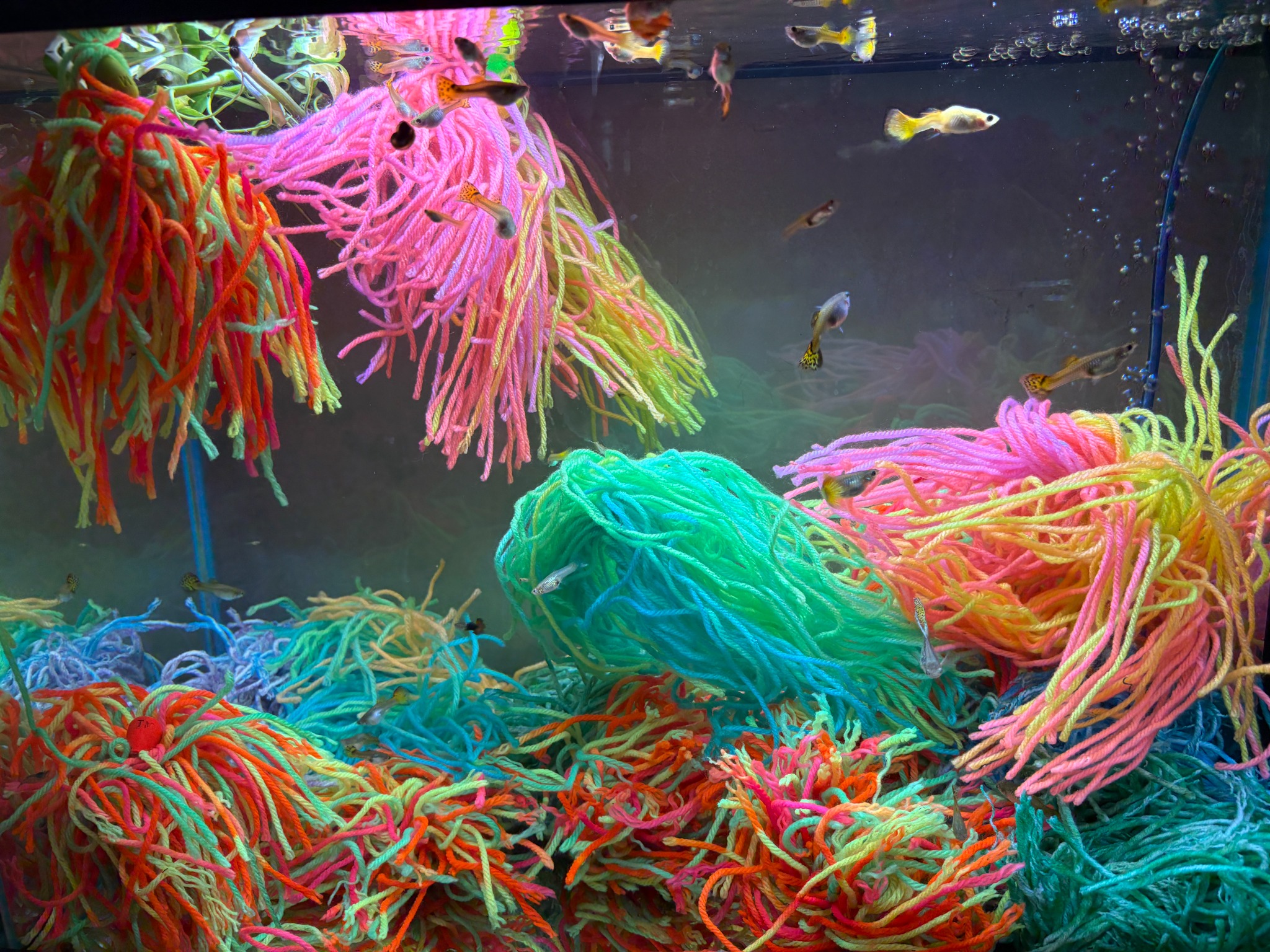
Use several mops as removable bottom cover
For suitable mop-spawning killifish, several non-floating mops can add removable cover near the bottom. Match placement to the species and keep each mop accessible for egg checks. Annual killifish that require a particular spawning substrate or dry incubation still need that breeding method; a mop-covered bottom does not replace it.
Easy cleaning is part of the setup: check for eggs and animals, lift an empty mop by its center tie, swish it in removed aquarium water and siphon the exposed bottom. No soap. See the multiple-mop bottom-cover guide.
A place to lay
For species that deposit eggs among fine plants, yarn strands offer an accessible spawning surface.
A movable breeding site
Move an egg-bearing mop to a prepared hatching setup when your species’ breeding method calls for it.
Choose the position
Floating and non-floating options let you offer cover at different levels. Match the placement to your fish.
Start with the species, then choose the mop
Killifish do not all breed the same way. Many plant-spawning species accept mops, while annual substrate-spawning species can require a different spawning and incubation method. Identify your fish before planning egg collection. A mop is a useful tool, not a universal killifish breeding system.
Put your mop to work
Place the mop where your species normally spawns and keep it clear of filter intakes. Inspect gently for eggs before moving or cleaning it. If you collect eggs or move the whole mop, prepare suitable incubation conditions first and follow a species-specific guide. Keep different species and breeding lines labeled and separate.
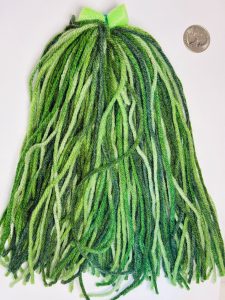
Easy to clean and ready to reuse
Before lifting the mop, look carefully for eggs, fry or shrimp among the strands. For routine debris removal, gently swish it in a separate container of removed aquarium water. Never use soap or household detergent. Keep an egg-bearing mop separate from your cleaning routine, inspect the yarn for damage, and use dedicated equipment between tanks. Read our mop-cleaning guide for more.
Floating or non-floating for killifish?
Use the fish’s preferred spawning level as your starting point. A floating mop suspends strands from the surface; a non-floating version offers another placement option. Some breeders offer both and observe which the fish use.
Choose the look for your aquarium
AquaNest mops come in floating and non-floating styles, with colorways shown in the current shop. Start with the placement your fish need, then choose a color you enjoy. Buying for a fish store or multiple breeding tanks? See our wholesale options.
Species background: American Killifish Association’s beginner guide. Product placement suggestions are practical applications, not a guarantee of spawning or fry survival.